
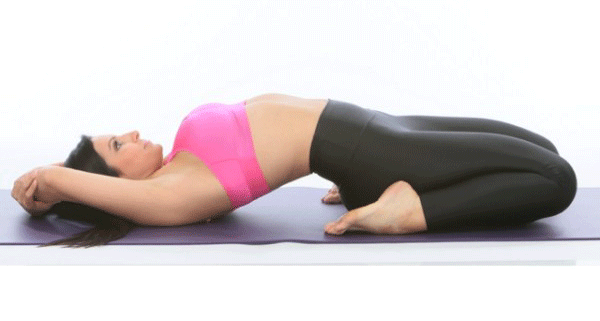
Supta Vajrasana is a reclining kneeling posture built from Vajrasana. The name joins supta, meaning reclined, with vajra, traditionally translated as thunderbolt or diamond. The pose asks for comfortable knee flexion, ankle length, front-body opening and a controlled backward transition.
The depth of the recline is not the goal. A high bolster, blocks or folded blankets can turn the posture into a clear study of support and alignment. Practitioners should be able to sit in a comfortable kneeling position before exploring the reclining action.

Navigator
Prepare the Kneeling Base
Begin by checking that the feet, ankles and knees can settle without sharp pressure. Sit on a block or folded blanket between or above the heels when the pelvis does not rest easily. Keep the knees at a comfortable distance rather than forcing them together.
- Move the ankles gently and spread the toes before kneeling.
- Place padding beneath the shins when the floor feels hard.
- Use a block under the pelvis to reduce the amount of knee flexion.
- Arrange a bolster lengthwise behind the spine before leaning back.
- Keep two blocks nearby to support the hands or the bolster.
Supported Supta Vajrasana Steps
- Sit in a steady Vajrasana variation with the pelvis supported as needed.
- Place the hands behind the body and lengthen the spine upward.
- Lean back slowly, first bringing weight into the hands.
- Lower one forearm and then the other without letting the knees lift sharply.
- Rest the back and head on the prepared bolster or blankets.
- Keep the ribs organised and allow the front body to lengthen gradually.
- Let the arms rest beside the body or hold opposite elbows overhead only when the shoulders remain easy.
- Take several ordinary breaths without pressing the lower back toward the floor.
- Bring the arms alongside the body, press through the forearms and return upright with control.
Useful Prop Arrangements
A high diagonal bolster gives more support than a flat bolster. Place one block beneath the head end and another beneath the middle of the bolster, then check that the setup cannot slide. A folded blanket under the head can keep the neck in a neutral position.
If reclining is not comfortable, remain upright in supported Vajrasana and practise lifting the chest while the hands rest behind the pelvis. This version keeps the kneeling base without requiring a backbend.
Alignment Cues
- Keep the feet pointing back rather than turning the ankles outward.
- Let the knees find a sustainable distance and stay connected with the floor.
- Lengthen through the sides of the waist instead of pushing the ribs upward.
- Support the back of the head so the chin does not lift sharply.
- Keep the breath quiet and the face relaxed.
- Use the arms during the exit rather than lifting the head first.
Modifications and Learning Options
Practise one side at a time by sitting with one leg in a kneeling position and the other foot on the floor. A chair-based front-thigh stretch can also introduce the lengthening action without placing body weight on folded knees. When the ankles feel compressed, add a small folded towel beneath them.
Some traditions distinguish between Supta Vajrasana and Supta Virasana through the position of the feet and pelvis. In practical teaching, the important point is to name the chosen kneeling base clearly and avoid forcing the legs into a shape that is not available.
Common Mistakes
- Dropping backward before the hands and props are ready.
- Trying to make the shoulders reach the floor when a bolster is more suitable.
- Allowing the knees to lift or spread suddenly during the recline.
- Forcing the ankles flat against the mat.
- Holding the breath while moving through the most demanding part.
- Coming up by pulling the head and neck forward.
Practice Effects
The supported posture can develop awareness of the relationship between the kneeling base, pelvis, spine and front body. It also teaches how props can reduce unnecessary effort while preserving the direction of an asana. These are practice observations, not promised outcomes.
Practice Limits
Leave the posture when there is sharp discomfort, tingling, numbness, unstable pressure or loss of smooth breathing. Choose the upright version when the knees, ankles, neck or lower back do not remain comfortable. Deeper reclining variations should be learned gradually with a qualified yoga teacher.
Frequently Asked Questions
Must the back reach the floor?
No. A high bolster version is a complete and useful way to practise.
Should the knees stay together?
They may remain near each other, but a small comfortable gap is preferable to forced positioning.
How should I come out?
Bring the hands and forearms down, press into them and lift the torso slowly while keeping the head supported by the movement of the spine.
Thanks for this wonderful article about supta vajrasana. This is complete step by step in detail information. Big THANKS.
What are supta vajrasana precautions?